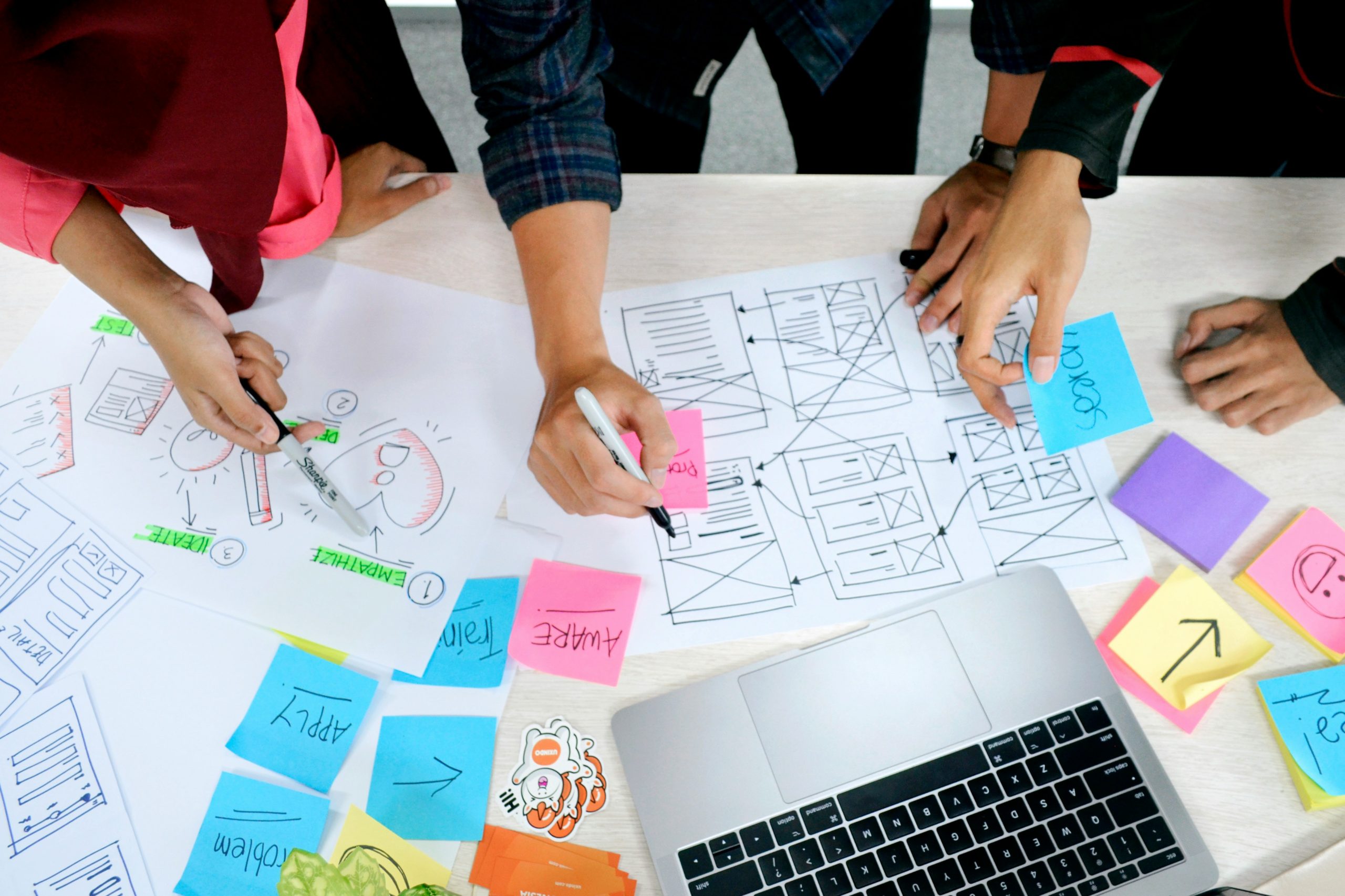
A product designer’s role extends far beyond aesthetic enhancements. Instead, it encompasses a diverse array of 13 roles aimed at comprehensively addressing customer problems and crafting valuable solutions.
These roles are not always concurrently executed at the highest levels; rather, they signify specialized areas a designer should adeptly navigate. The goal is for friends, colleagues, and mentees to recognize and embrace this hybrid role in its entirety.
Entrepreneur
- Identify market gaps and devise strategies to fill those needs
- Build teams to drive product development
- Provide tangible solutions to serve customers
- Inspire through a visionary approach
Product Manager
- Develop expertise in the customer’s audience
- Conduct competitive research
- Synthesize feedback effectively
- Drive product roadmaps and priorities
- Fully understand the problem space
- Engage with customers and grasp market dynamics
- Coordinate and assemble teams
Interaction Designer
- Bring concepts to life
- Solve problems using existing or innovative design patterns
- Develop mockups and flows for the user interface
- Document the functionality of new patterns
Visual Designer
- Master and apply color, space, typography, iconography, illustration, and UX laws
- Possess a keen sense of taste and aesthetics
- Understand brand consistency across platforms
Motion Designer
- Design engaging micro-interactions
- Infuse personality into designs
- Enhance user experience through motion
Prototyper
- Breathe life into products by creating realistic prototypes
- Proficient in prototyping tools such as code, After Effects, Framer, Origami, InVision
- Implement one’s own flows and interactions
- Test ideas in high fidelity
Data Analyst
- Utilise product usage data for informed decision-making
- Conduct A/B tests and analyze large data volumes for patterns
- Design tests and determine data parameters
- Understand design impact through data and metrics
User Researcher
- Advocate for the customer
- Collect insights and feedback
- Conduct ethnographic research
- Evaluate user experience for strategic planning
- Promote research within the organization
- Develop deep domain expertise
- Translate customer needs into features and marketing copy
Psychologist
- Understand cognitive psychology, heuristics, empirical research, and empathy
- Comprehend user behavior and motivations
- Build products based on users’ mental models, whether habit-forming or not
Copywriter
- Craft clear, effective, and delightful copy for a specific audience
- Possess a strong vocabulary and exhibit proper grammar
- Strike a balance between clarity and personality
Project Manager
- Take ownership of projects through to completion
- Balance time, cost, quality, and scope
- Deliver satisfactory outcomes for all stakeholders
Project Marketer
- Understand what needs to be built and how to bring it to the market
- Conduct market research
- Create launch marketing materials
- Collaborate with marketing to accurately portray the product
- Contribute to the release plan
Customer Support Representative and Community Manager
Considering these multifaceted roles, it’s evident that the bar for becoming a designer is high. It’s not necessary to start as an expert in all these areas, but designing effective teams that cover these roles is crucial for success. What are your thoughts? Are there any roles not represented here? Share your comments below!